

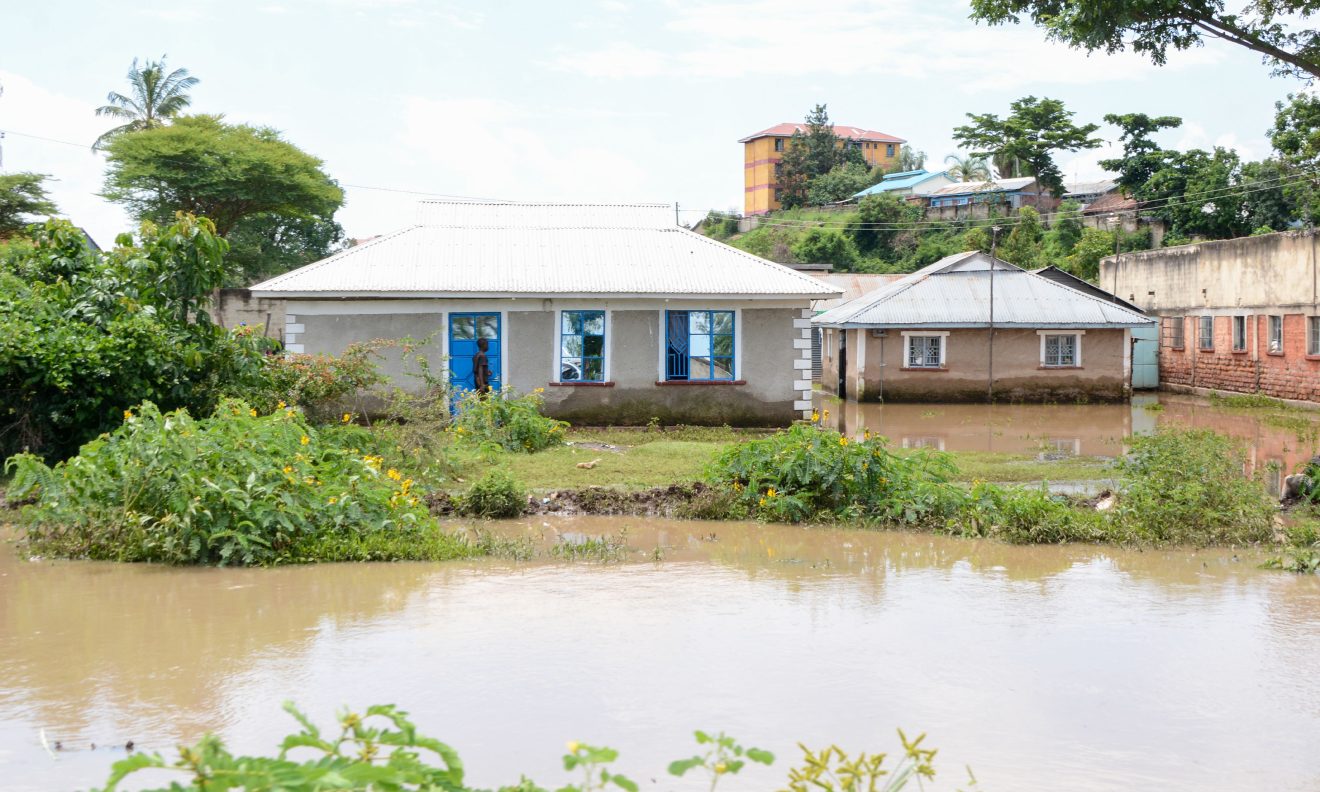
Kenyans may soon get some relief despite the heavy rains currently being experienced in various parts of the country, after the Kenya Meteorological Department announced that the rains are expected to reduce.
According to a weather statement released on Friday, May 1, the heavy rainfall being experienced across much of the country is likely to decrease significantly by mid-May 2026.
The department explained that although the first week of May will continue to see heavy rains in several areas, weather conditions are expected to improve in the second half of the month.
“The May outlook indicates that the second half of the month is likely to be drier than usual, signaling the end of the March–April–May 2026 long rains season,” the statement said.
However, not all regions will experience immediate relief. Areas such as the Mount Kenya region, western Kenya, the Lake Victoria Basin, and the coast are expected to continue receiving rainfall into June, although at below-average levels.
The end of the long rains will mark the beginning of a cooler and drier season, with some areas—especially the highlands—likely to experience cold conditions.
Despite expectations of reduced rainfall later this month, Kenyans have been urged to remain cautious due to the ongoing rains, which may still cause flooding, waterlogging, and disruptions to transport.
The weather department also warned of potential health risks arising from the wet conditions, including waterborne diseases and Malaria, especially in areas with poor drainage systems.
Additionally, continued rainfall in central, western, the Lake Victoria Basin, and parts of the Rift Valley may lead to waterlogged farms, potentially damaging crops.
In southeastern lowland areas, moderate to below-average rainfall combined with occasional storms could result in uneven soil moisture, which may negatively affect crops.
The department further cautioned that rivers, dams, and drainage systems may overflow due to excess water, increasing the risk of flash floods and river flooding, especially in low-lying and flood-prone areas.















Leave a comment