

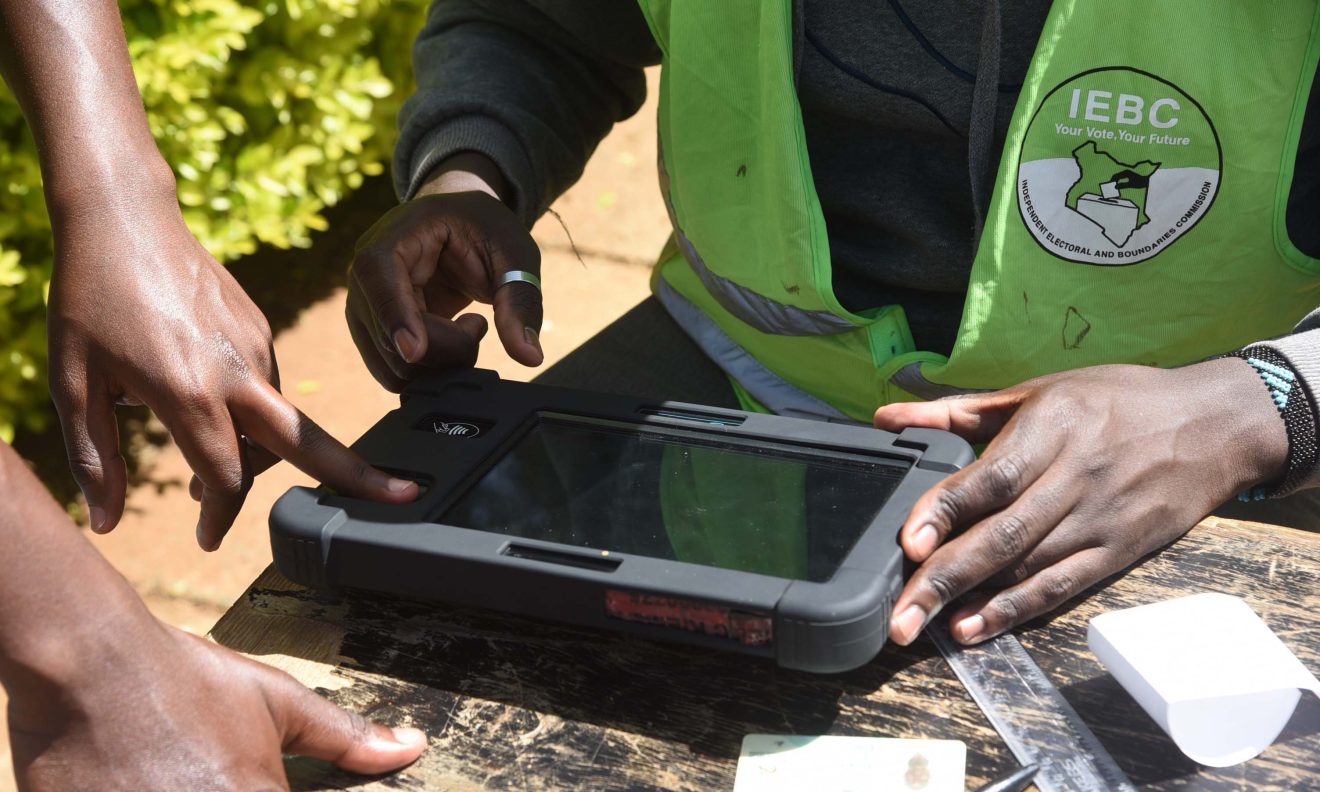
The voter registration exercise has recently been completed, and the number of those registered is quite impressive. It is encouraging, uplifting, and satisfying—a ray of hope.
Although at first it seemed that many Kenyans were so disillusioned with politicians that they did not want to participate in the electoral process, the latest registration figures paint a different picture.
Kenyans still want to take part in deciding who will govern them—that is, the people who will determine how the heavy taxes they pay are used.
As ordinary citizens, we have finished our part by registering. Now it has moved to another stage where the so-called clever politicians sit down and begin planning how to divide up our votes. Indeed, they strategize as if they are sharing us out like sweets or mandazi.
As they discuss ways to position us so that we vote for them and defeat their rivals, one would think we are mere commodities—without a voice on where we are taken, how we are taken there, or any concern for the consequences of their scramble over us, like hyenas fighting over a piece of meat.
What occupies the minds of both government and opposition politicians is how they will manage the many aspirants from different parties who want to contest on their party tickets.
The situation becomes even more complicated given the existence of political coalitions made up of multiple parties, all of which intend to field candidates in every race. This threatens to fracture those coalitions.
The fear among coalition leaders is that if all parties field candidates, they will split votes and hand victory to rival alliances.
There is a complex mix of political interests on all sides. For example, the Kenya Kwanza coalition wants open nominations, meaning each party should field candidates wherever it believes it has support.
This view is strongly opposed by the Orange Democratic Movement, a key ally of President William Ruto and a major force within Kenya Kwanza.
ODM fears that if Kenya Kwanza is allowed to field candidates in Luo Nyanza—its stronghold—it could be weakened or even eclipsed. The party insists it should be left to dominate its strongholds without competition, while President Ruto is clearly interested in those same regions.
Turning to the opposition coalition that presents itself as an alternative government, leaders such as Kalonzo Musyoka of the Wiper Patriotic Front (WPF) and Rigathi Gachagua of the Democracy for the Citizens Party (DCP) want affiliate parties to nominate candidates only in areas where they have strong support.
This proposal is opposed by Fred Matiang’i of Jubilee, working alongside Martha Karua of the People’s Liberation Party (PLP). The two insist that every party should be free to field candidates wherever it wishes. These divisions threaten to tear the coalitions apart.
Notably, all these politicians—both in government and opposition—are not discussing what benefits citizens will gain by electing them. They treat us as mere voting machines, meant to give them power so they can continue their long-standing tactics of divide and rule.
Do we, as citizens, have no voice or opinion about how we want to be governed? Is our role simply to queue, vote, and go home without knowing what to expect?
What role do voters—millions of them now registered—play in this ongoing political bargaining? Or are we just like goods to be bought and sold in a marketplace? How long will this “auction” continue?
It is our responsibility to start asking politicians tough questions, especially those we are beginning to consider voting for. If we don’t, they will take advantage of us immediately after the elections.
When you meet a politician—especially those leading coalitions—ask them what new promise they are offering that hasn’t been made before, and how they plan to fulfill promises that have remained unkept for years, even in parties they previously belonged to.
It is only by asking tough and uncomfortable questions that politicians will realize our votes are not reserved for them—we must be convinced to give them. Our votes are not peanuts or skewers for them to consume as they wish.
This time, it must be about promises—and delivery.












Leave a comment