

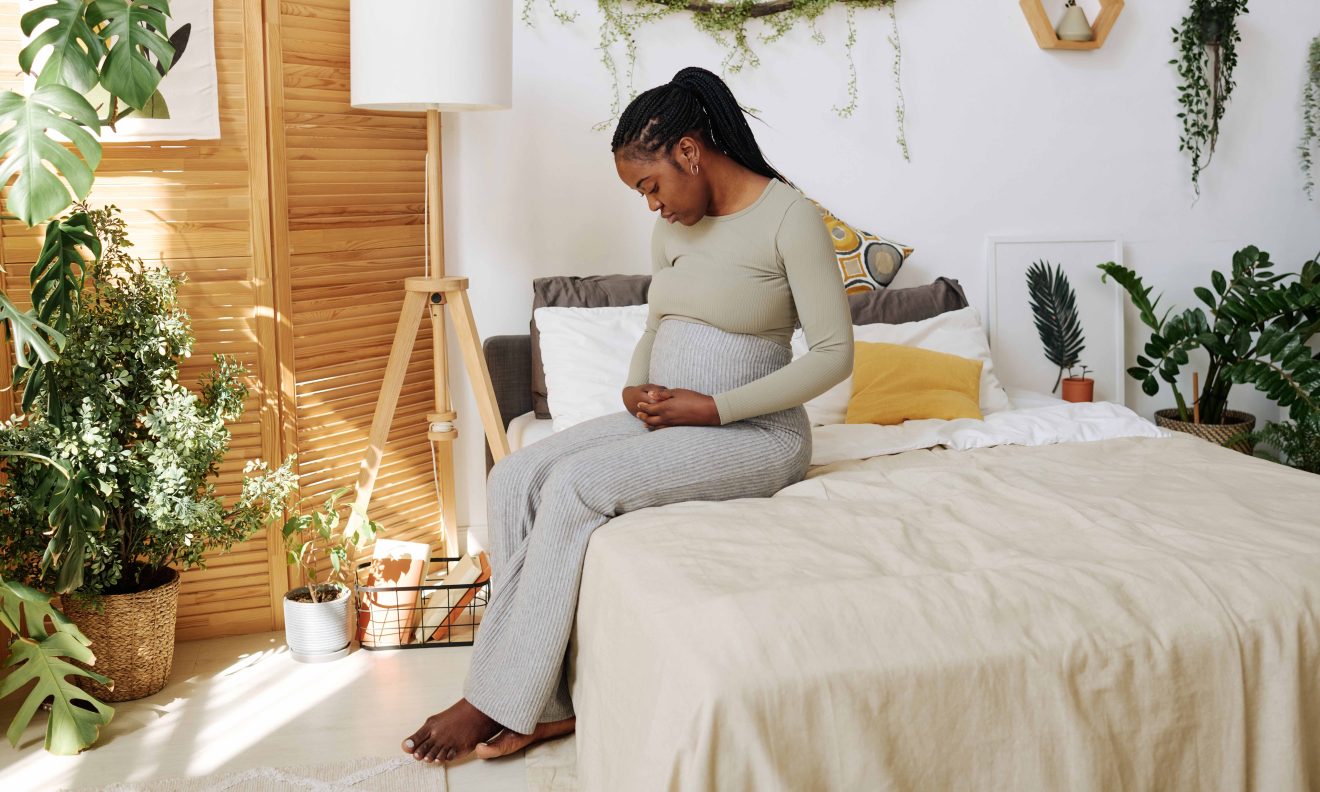
Phidilia Kibirisho Mwendwa and her husband were overjoyed when she conceived her first pregnancy. They prepared extensively for the arrival of their unborn child, buying baby clothes, planning a baptism date, and informing friends and relatives about the expected birth.
However, their joy turned into deep sorrow when she lost the pregnancy at 29 weeks. She recalls experiencing severe pain before being rushed to hospital, where doctors confirmed that the baby had died in the womb and had to be delivered stillborn.
In the months that followed, the couple mourned their loss and struggled to respond to questions from friends and relatives who were unaware of what had happened. Phidilia describes how her husband supported her through grief, often comforting her during moments of emotional distress as she held onto the baby clothes they had bought. Eventually, they moved to a new home and gave away the baby items to cope with their loss.
Despite the heartbreak, Phidilia conceived again but suffered another miscarriage at eight weeks. She recalls heavy bleeding and being told by doctors that nothing could be done to save the pregnancy.
Her journey continued with repeated losses, including another late miscarriage at around 30 weeks. At one point, she discovered a pregnancy at six weeks that was considered high-risk, and despite treatment and care, she lost it again after complications.
After multiple miscarriages, she sought a second medical opinion. Doctors advised her to rest, reduce stress, and even take time away from her usual environment. She was also encouraged to stop focusing on the pressure of conceiving.
The advice proved helpful. She later conceived again, but this time with intensive medical monitoring and strict care. She was placed on bed rest and regularly reviewed by specialists. Her husband also took precautions during travel to ensure she remained stable.
Her efforts eventually paid off. At 29 weeks and 3 days, she gave birth to her first child weighing 2.7 kilograms, who was placed in neonatal care. Two weeks later, she was finally able to hold her baby, marking her official journey into motherhood.
Phidilia later went on to have two more children, aged 12, 8, and 3 today. She notes that her second pregnancy was smooth, and she delivered a healthy baby boy weighing 3.8 kilograms without complications.
Similarly, Mactilda Makana shared her painful experience of repeated pregnancy loss. After marrying in 2008, she expected motherhood to come easily, but instead suffered five consecutive miscarriages. One pregnancy reached seven months before she lost the baby, while another ended shortly after delivery.
She says the repeated losses placed immense strain on her marriage, eventually leading to divorce after four years, as her in-laws blamed her for not carrying pregnancies to term.
During this difficult period, she turned to prayer and sought spiritual support, even writing a letter requesting prayers at a church. Her situation later changed when she remarried, received medical care early in her pregnancy journey, and eventually gave birth to twins, now six years old.
Medical specialists note that miscarriage cases are common and can be caused by various factors, including diabetes, high blood pressure, infections, reproductive complications, sexually transmitted infections, and lifestyle risks such as smoking, exposure to harmful chemicals, and poor nutrition. Risk is also higher among women aged 35 and above.
However, doctors emphasize that normal activities such as exercise, sexual activity, fatigue, or minor falls do not typically cause miscarriage.
They advise pregnant women to seek medical attention if they experience bleeding, severe abdominal pain, or fainting.
Psychologists also highlight the emotional toll of pregnancy loss, noting that many women struggle with guilt and self-blame. They add that miscarriage is often not openly discussed, and affected women may face judgment from society, making grief even more difficult to process.Mothers should be respected for this.













Leave a comment