

By Special Correspondent
As allegations of suspicious identity card processing and voter mobilisation continue to circulate in Trans Nzoia County, many residents are now asking whether the county remains politically safe—or whether the warning signs of a dangerous repeat of the 1992 chaos are beginning to emerge.
Claims by local residents and political insiders suggest that ongoing registration activities in border zones and neighbouring areas could be part of a wider strategy to alter the county’s voter balance ahead of the 2027 General Election. While these allegations remain unverified, they have triggered growing anxiety in a region with a painful political history.
For many families in Trans Nzoia, the memories of the early 1990s remain vivid. During the return of multiparty politics, parts of the Rift Valley experienced violence, displacement, and ethnic division. In Trans Nzoia, accusations were widespread that outside groups had been encouraged to settle or participate in local political contests as a way of reshaping electoral numbers.
Among the most persistent historical claims were allegations that sections of the Sebei community from neighbouring Uganda were brought into certain areas during the KANU era to influence local political dynamics. Those claims have remained politically sensitive for decades and continue to shape community fears whenever new voter registration controversies emerge.
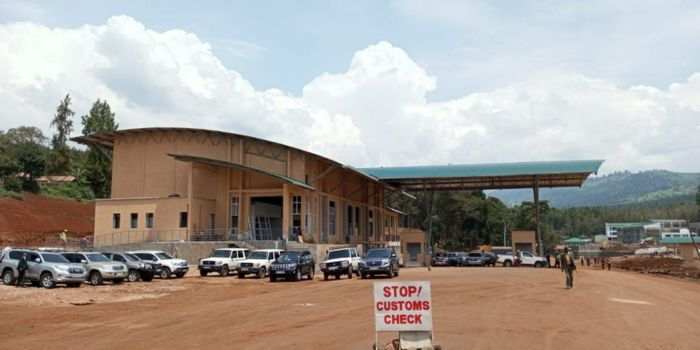
Now, with fresh reports of gatherings near the Suam border and concerns over rapid number-building, residents say history must not be ignored.
Political analysts caution that today’s environment is different from 1992. Kenya now has a more robust constitution, devolved government, stronger media scrutiny, civil society oversight, and more public awareness of electoral rights. These institutions make it harder for large-scale covert political operations to succeed unnoticed.
However, analysts also warn that unresolved ethnic mistrust, economic hardship, land politics, and weak enforcement of electoral laws can still create fertile ground for tension if early warning signs are ignored.
The key question may not be whether 2027 will exactly repeat 1992, but whether leaders and institutions are prepared to prevent even smaller versions of the same tactics.
Residents are calling for the Independent Electoral and Boundaries Commission, immigration authorities, national registration officials, and security agencies to provide transparency on identity card issuance, voter transfers, and any unusual registration trends in border wards.
Community elders and clergy have also urged restraint, warning politicians against using ethnic fear or inflammatory language to mobilise support.
At present, there is no evidence that Trans Nzoia is headed toward conflict. But there is clear evidence that fear, suspicion, and historical trauma remain alive.
Whether the county stays safe will depend less on rumours and more on how quickly authorities respond, how responsibly leaders behave, and whether citizens insist that the mistakes of 1992 are never repeated.














Leave a comment