

By Investigations Desk
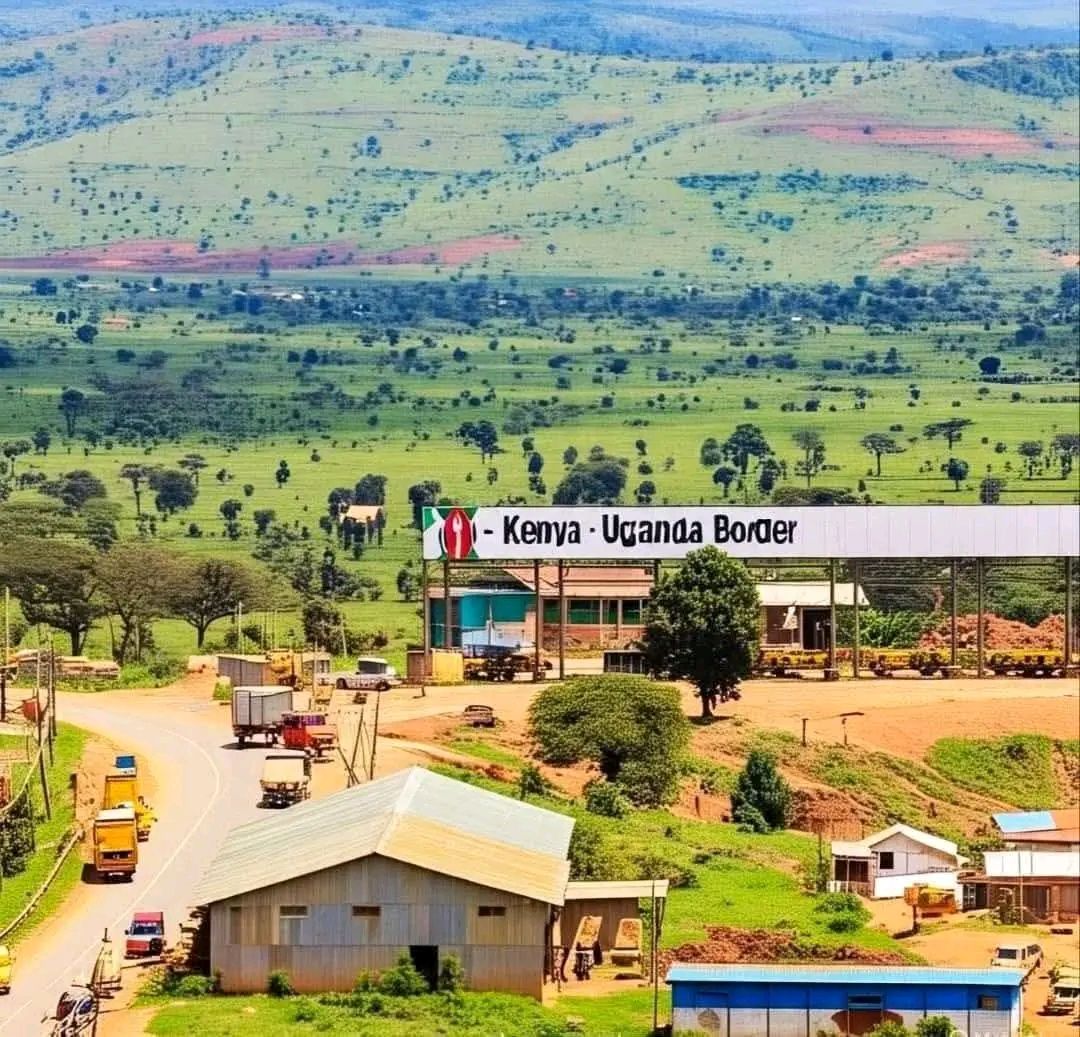
Fresh allegations of covert political mobilisation along the Kenya-Uganda border have surfaced, with insiders claiming that organised efforts to influence future voter numbers in Trans Nzoia County are already underway ahead of the 2027 General Election.
Multiple sources who spoke to our investigations team allege that gatherings of large groups of people have recently taken place in remote settlements near the Suam border crossing, with some locations identified as possible centres of mobilisation.
One source familiar with developments claimed that activities were recently concentrated in the Kapkoloswa area, where many people had assembled, and that operations were expected to move next toward Kapkweno and surrounding villages once the first phase was complete.
The source also provided detailed descriptions of routes branching from the Suam-Bukwa road toward interior settlements believed to be under watch.
A separate insider who requested anonymity said concerns over what was described as “number-building” had been raised quietly for months but dismissed by many as political gossip.
“I have made several posts warning people that numbers are being built, but many thought it was a joke,” the source said.
The insider further claimed that some intelligence had come from an individual linked to electoral systems, although this publication could not independently verify that assertion.
Political observers often use the phrase “number-building” to describe attempts to alter future voting strength through coordinated migration, identity documentation drives, strategic voter transfers, or mobilisation of supportive populations into target constituencies.
If such activities involve fraudulent registration or non-citizens being entered into the voter roll, they would amount to serious violations of Kenyan electoral and citizenship laws.
Trans Nzoia is increasingly being viewed as one of the most strategic counties in the Rift Valley-Western political corridor. With a mixed ethnic population and several competitive constituencies, even modest shifts in voter registration could significantly influence races for governor, senator, woman representative, and parliamentary seats in Kwanza, Saboti, Endebess, and Cherangany.
Analysts say any organised demographic strategy would make the county a key battleground in 2027.
The Suam border area has historically served as a busy trade and movement corridor between Kenya and Uganda. Security experts note that loosely monitored border settlements can become vulnerable to political exploitation if institutions fail to maintain oversight.
Election governance specialists caution that ordinary cross-border movement should not automatically be criminalised, but any connection to identity fraud or voter manipulation would require urgent scrutiny.
The latest claims are likely to intensify calls for an audit of future voter registration trends in border wards, closer review of identity card issuance patterns, stronger border surveillance during registration exercises, and independent monitoring by the IEBC and civil society groups.
At the time of publication, no public statement had been issued by the IEBC, immigration authorities, or county security officials regarding the allegations.
Whether the claims prove factual or politically motivated, they reveal growing anxiety over who controls the future political direction of Trans Nzoia.
For a county with painful memories of past election-related tensions, residents say transparency, accountability, and early intervention are essential.
As the 2027 race slowly begins to take shape, a pressing question now hangs over the border region: are these only rumours, or the first signs of a carefully coordinated electoral operation?











Leave a comment