

By Political Desk
Fresh voter registration figures released during the ongoing national exercise reveal sharp regional disparities, with some parts of Kenya recording strong momentum while others lag significantly behind in the race to shape the 2027 electoral map.
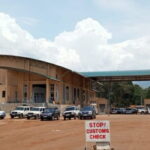
The Independent Electoral and Boundaries Commission is targeting to register 5.4 million new voters nationwide. So far, 1,370,930 voters have been registered, representing 26.6 percent of the overall target.
The latest data shows Nairobi leading the country’s major regions after achieving 48.4 percent of its target. The capital has already registered nearly half of the intended number, a performance analysts say may be boosted by urban mobilisation campaigns such as the “Niko Kadi” push targeting young first-time voters.
Upper Rift, covering Samburu and Turkana, ranks second after attaining roughly 33 percent of its target, while the Mt Kenya region follows closely in third place with nearly 32 percent achieved.
At the opposite end, Northern Kenya has posted the weakest performance so far, managing only about 15 registrations for every 100 voters targeted. Lake Nyanza follows as the second lowest-performing bloc, having reached only around 18 percent of its intended numbers by the third week of the exercise.
County-level data also highlights major contrasts.
Taita Taveta leads nationally with 49 percent of its target achieved, followed closely by Nairobi and Nyeri at 48 percent each. Kirinyaga stands at 47 percent, while Lamu rounds out the top five performers at 45 percent.
Among counties trailing furthest behind are Mandera at 9.4 percent, Wajir at 12.9 percent, Garissa at 15.1 percent, Homa Bay at 16.2 percent, and Nyamira at 16.5 percent.
Political observers say the uneven turnout could have significant implications for the 2027 elections, especially in closely contested counties and swing regions where new voter numbers may influence future contests for governor, senator, MP, and presidential tallies.
The data is also expected to intensify pressure on IEBC, political parties, and civil society groups to step up voter education, especially in regions recording low participation.
With millions still left to register, the coming weeks may determine which regions enter the 2027 contest politically energised—and which risk being left behind.







Leave a comment