

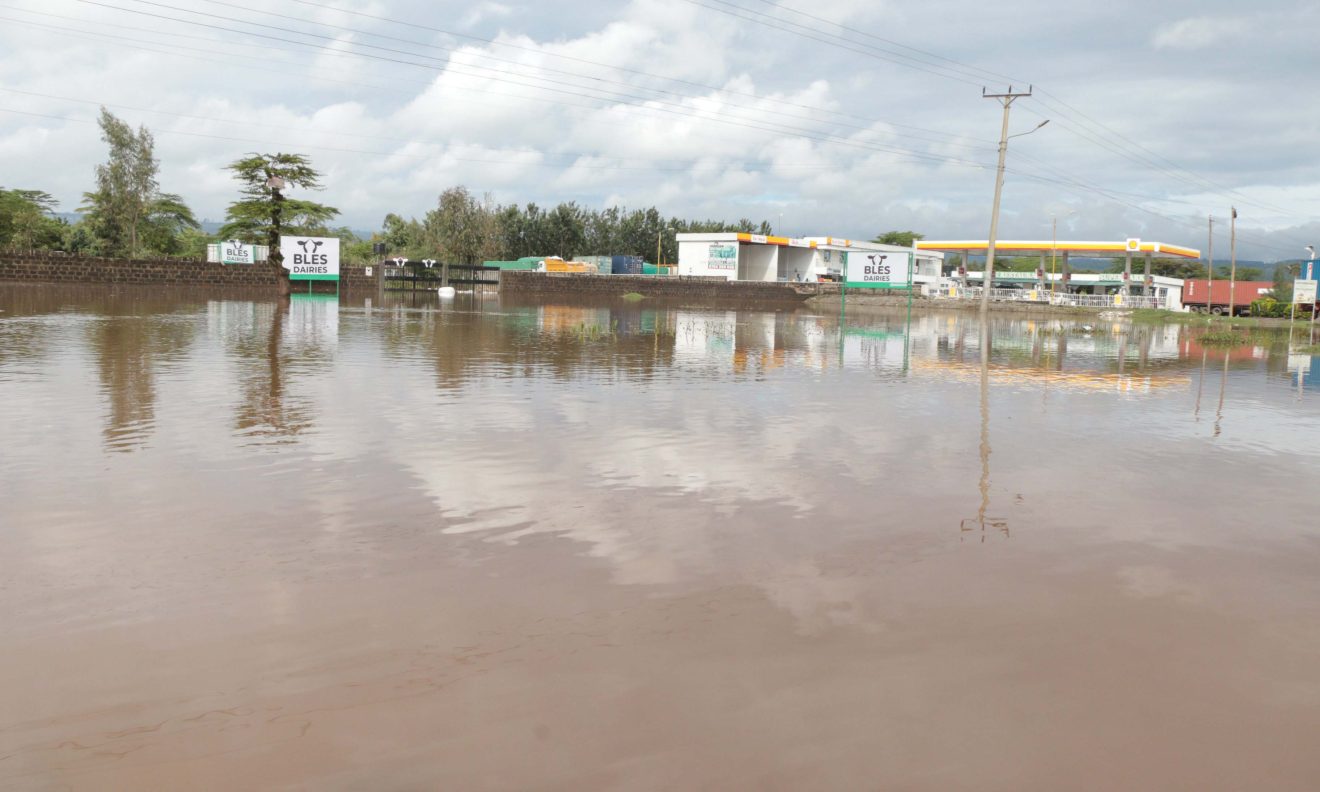
Many Kenyans still remember the destruction caused by the El Niño rains of 2023 and 2024.
Statistics show that at least 245 people lost their lives, more than 78,000 families were affected, and nearly 46,000 households were displaced from their homes.
A total of 42 out of Kenya’s 47 counties experienced the effects of the disaster.
Now, climate experts are warning that the country could once again face another El Niño episode.
On Tuesday, the World Meteorological Organization (WMO) announced that there is a 90 percent chance that El Niño conditions will develop during the second half of this year.
The organization’s Secretary-General, Celeste Saulo, said the world should prepare for a strong El Niño event that could trigger droughts, heavy rainfall, and heatwaves.
According to the WMO, the 2023–2024 El Niño was among the five strongest ever recorded globally and contributed to the extreme temperatures experienced in 2024.
However, in Kenya, El Niño does not only mean floods.
Experts explain that the phenomenon affects the country in two different phases.
During the months of June, July, and August, the Kenya Meteorological Department expects normal to below-normal rainfall across many parts of the country.
Regions including Western Kenya, the Rift Valley, the Lake Victoria Basin, and North Western Kenya are expected to experience dry spells and reduced rainfall.
At the same time, higher-than-normal temperatures are likely to be experienced across the country.
This situation could negatively affect crop production, especially in farming areas already struggling with low soil moisture levels.
Farmers have also been warned about strong winds that could damage crops and increase water loss from farms.
Coastal counties including Mombasa County, Kilifi County, Kwale County, and Lamu County are expected to receive some relief, with forecasts indicating average to above-average rainfall.
However, experts warn that the most critical period will likely be between October and December.
Historically, El Niño has been associated with unusually heavy rainfall in Kenya.
A climate scientist at the Kenya Meteorological Department, Dr Chris Kiptum, said heavy rains are expected later in the year and could trigger flooding in urban areas with poor drainage systems, low-lying regions, and settlements located near rivers.
This year’s El Niño impact will also depend on conditions in the Indian Ocean through a system known as the Indian Ocean Dipole (IOD).
The system influences rainfall patterns across the East African region.
Experts say that if El Niño occurs alongside a positive IOD, rainfall could become even heavier, increasing the risk of devastating floods similar to those witnessed in 2024.
Recent years have shown that Kenya still faces the same challenges whenever El Niño strikes.
Poor urban drainage systems, settlements built in flood-prone areas, and weak implementation of early warning measures have continued to worsen the impact of such disasters.
Climate experts insist that El Niño does not necessarily have to become a disaster if adequate preparations are made early.
County governments, farmers, and members of the public are being urged to use weather forecast information to plan their activities in advance and reduce possible damage.
For now, the message from experts is clear: the coming months may begin with drought and extreme heat, but by the end of the year, Kenya could once again face severe flooding.
The time to prepare is now, before disaster strikes again.How ready are you…















Leave a comment