

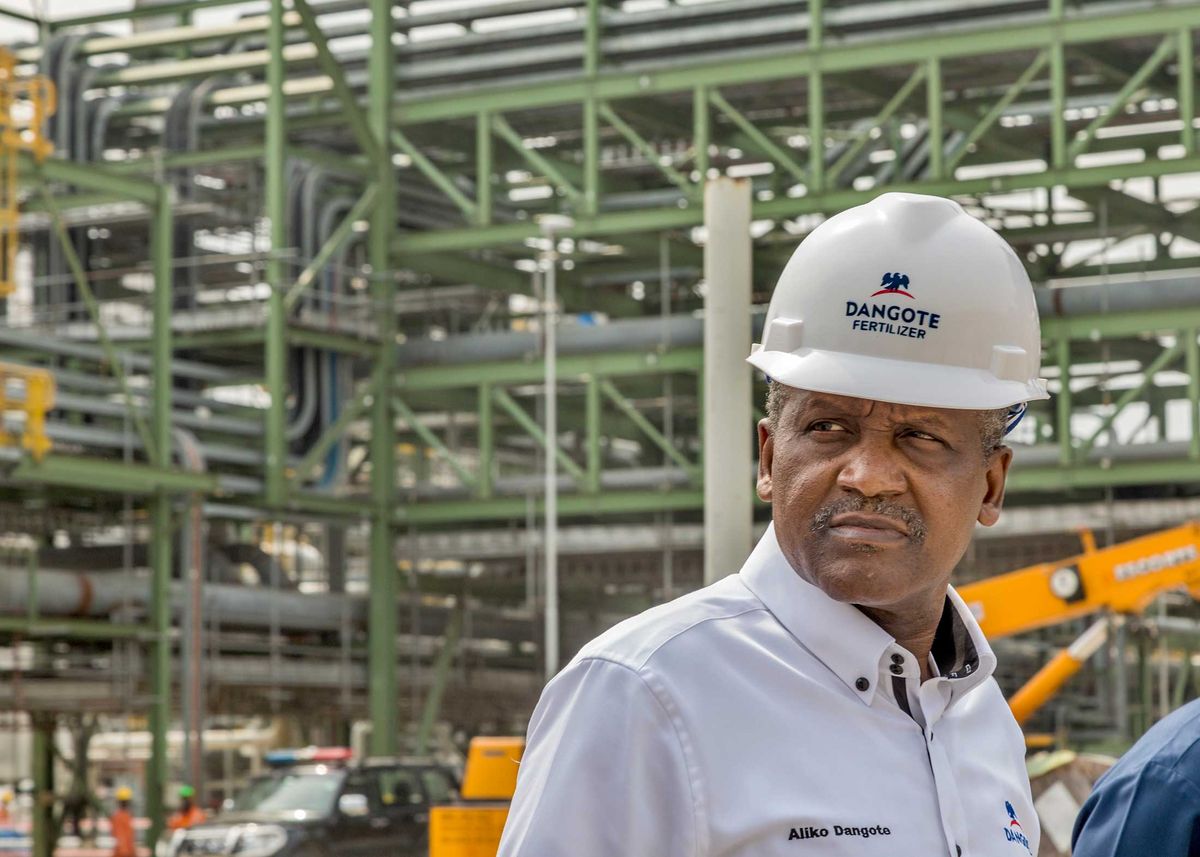
Kenya and Uganda have entered discussions with Nigerian industrialist Aliko Dangote regarding the construction of a large new oil refinery in Tanzania.
The proposed facility would be built in the port city of Tanga and is intended to serve the broader East African region. This initiative aims to process crude oil produced within the area, helping to reduce dependence on imported refined fuels from outside the continent. Presidents William Ruto of Kenya and Yoweri Museveni of Uganda have been directly involved in the talks, signaling strong regional commitment to the project.
The plan features a connecting pipeline from the Kenyan port of Mombasa to Tanga. This link would allow crude oil to reach the refinery and enable refined products to flow back through existing shared infrastructure. Once completed, the facility is expected to handle supplies from several countries, including Uganda, Kenya, South Sudan, and the Democratic Republic of Congo. Aliko Dangote has expressed readiness to model the refinery after his successful large-scale operation in Nigeria and has committed to leading the effort, with a potential timeline of four to five years if the governments reach full agreement.
This development arises amid growing efforts by East African nations to enhance energy security and manage costs more effectively. Rising global fuel prices and disruptions in international supply chains have highlighted the need for local refining capacity. By processing oil closer to the source, the project could lower expenses for consumers, support industries, and create jobs across the region. It would also complement ongoing infrastructure like the East African Crude Oil Pipeline, which transports crude from Uganda to Tanzania’s coast.
The involvement of Aliko Dangote brings valuable experience and scale to the initiative, as he has demonstrated success in building one of Africa’s largest refineries. Regional leaders view the project as a step toward greater cooperation within the East African Community and increased self-reliance in the energy sector. While specific details on capacity, funding, and final timelines are still being worked out, the positive engagement from key figures suggests meaningful progress ahead.
If realized, the refinery could play a significant role in stabilizing fuel supplies and promoting economic growth by keeping more benefits from the region’s natural resources within East Africa. Citizens and businesses alike stand to gain from more reliable and potentially more affordable petroleum products in the years to come.













Leave a comment