

For many years, most people have known fistula as a condition that affects women after prolonged labor without the assistance of a qualified health worker.
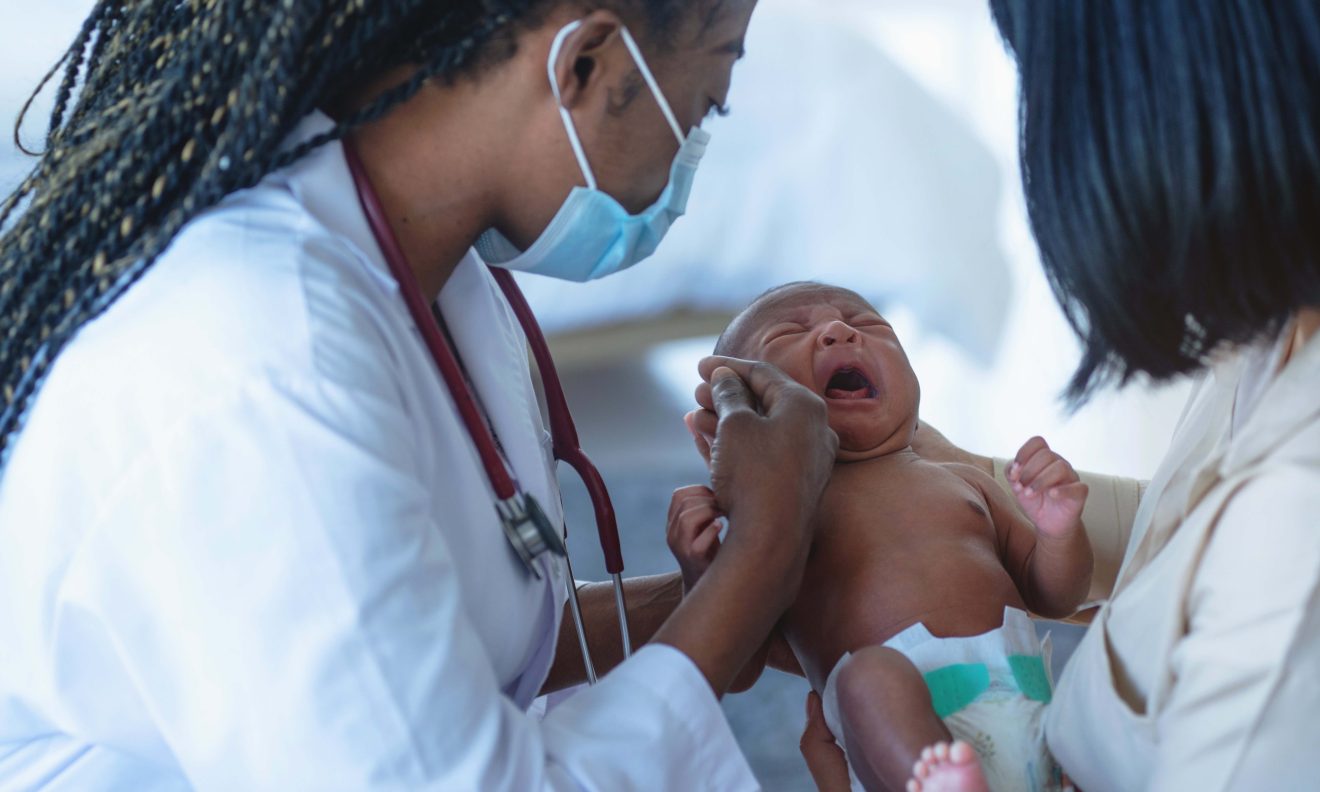
However, there is a rare type of fistula that few people know about—congenital ureteric fistula, a condition a child is born with.
For Virginiah Wanjira, the journey to understand her five-year-old daughter’s condition has not been easy.
Her daughter was born normally, with no visible complications.
But when she reached school-going age, Virginiah began to notice something unusual.
“I became concerned because every time she came back from school, she was wet. I knew there is an age when a child should not be wetting themselves, but hers was different. I started seeking help because I knew something wasn’t right,” she says.
She explains that she tried several approaches and sought treatment at various clinics without success.
“I was referred to Kenyatta National Hospital, but since I come from Murang’a, I couldn’t afford the fare.”
After thorough medical tests—including examinations of the kidneys, urinary tract, and ureters—it was discovered that the child had a rare type of fistula known as congenital ureteric fistula. She had been born with four ureters instead of the usual two—one on each side of the kidneys.
This condition caused continuous urine leakage.
According to nurse Solomon Olale, who treats fistula patients at the Flying Doctors Society of Africa, the condition is extremely rare.
“In my four years of work, I have only encountered four cases like this. It is a congenital condition and many people are unaware of it. For this child, the ureters will be surgically corrected,” he says.
Dr. Olale emphasizes the importance of attending antenatal clinics.
“To avoid such issues, parents should not miss clinic visits. While there, they should openly discuss any concerns about the child. Prenatal tests can help detect many birth complications,” he adds.
For Virginiah, the journey to find treatment was difficult.
She visited several hospitals, including Othaya and Kenyatta, but financial challenges stood in her way.
“I had completely lost hope. I was told to go to Kenyatta, but I couldn’t afford it. I felt like I had reached the end,” she says.
Her hope was restored after hearing through the media about a free fistula screening at Murang’a Referral Hospital.
“I went there without hope, but I received help,” she says with relief.
Virginiah’s story highlights another side of fistula, often hidden due to stigma, lack of awareness, and delayed treatment.
During a fistula outreach program held in Murang’a on April 18, 2026, 449 women and girls were screened, counseled, provided with physiotherapy, and underwent corrective surgeries for various types of fistula.
The program brought together the Murang’a County Government, the Ministry of Health, M-Pesa Foundation, Flying Doctors, and Amref Health Africa.
Nurse and trainer specializing in Vesicovaginal Fistula, Christine Muthengi, says some patients have lived with the condition for decades.
“Some developed fistula as far back as the 1990s. They have been abandoned by their husbands, isolated by society, and some live in hiding due to shame,” she says.
She explains that obstetric fistula remains a major challenge, especially for women in areas with limited access to quality maternal care.
“Fistula is not just about leaking urine. It causes physical, emotional, and social trauma. Many women live in deep humiliation,” she adds.
According to experts, Kenya has about 120,000 women who have not yet received treatment for fistula.
Although most fistula cases are linked to prolonged labor without emergency care, there are several other types of the condition.
Types of fistula include:
- An abnormal opening between the vagina and the bladder (most common)
- Between the vagina and the ureters (which carry urine from kidneys to bladder)
- Between the vagina and the urethra (which carries urine out of the body)
- Between the vagina and the lower rectum
- Between the vagina and the large intestine
- Between the vagina and parts of the digestive system
Muthengi notes that stigma remains a major challenge—not just lack of treatment.
“Many women hide their condition out of fear of being ridiculed. Others don’t even know it is treatable,” she says.
Even in counties like Murang’a, where many women deliver in hospitals, poverty, early pregnancies, and delays in accessing emergency care still contribute to the problem.
According to Patricia Ithau of the M-Pesa Foundation, fistula treatment is life-changing.
“The surgery may seem small, but it restores dignity, health, and a woman’s future in a profound way. No woman should suffer in silence,” she says.
Through an investment of Sh8.1 million under a broader Sh213 million program, more than 1,500 women in affected counties have received treatment.
Nurse Olale urges parents to be attentive when children show unusual symptoms such as persistent bedwetting.
“If a child continues to wet themselves without a clear reason, don’t ignore it. Seek medical advice early. Early diagnosis saves lives and prevents suffering,” he says.









Leave a comment