

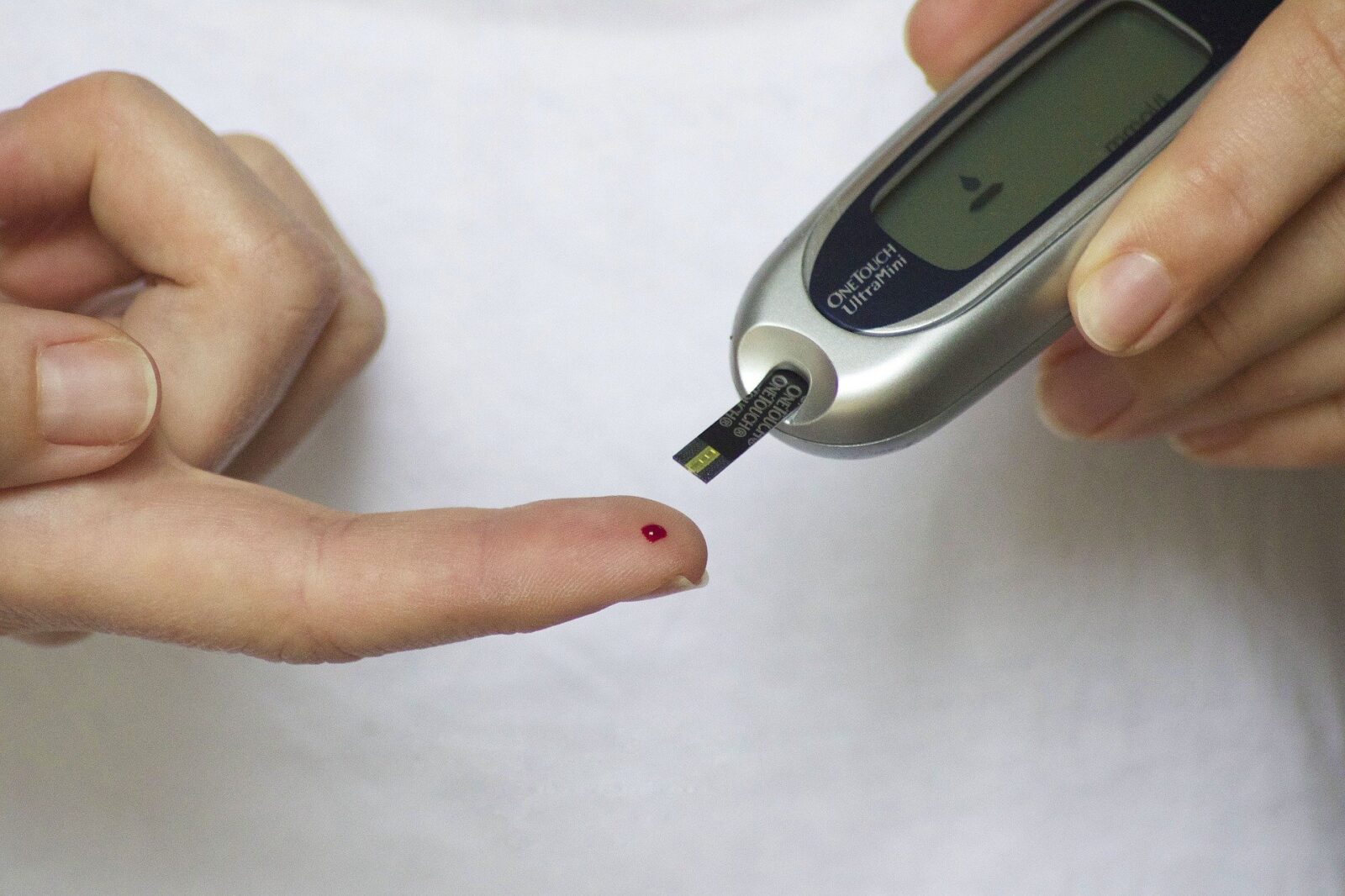
Did you know that excessive urine production can be a sign that you have diabetes? This is one of the main symptoms of this metabolic disease, along with a general feeling of fatigue without an apparent reason and excessive thirst. It can also be a sign if you lose weight despite eating adequate amounts of food.
Diabetes (diabetes mellitus) is characterized by the body’s inability to use glucose as a source of energy for cells. As a result, glucose accumulates in the blood and leads to excessively high levels in the bloodstream, a condition known as hyperglycemia. Diabetes is a chronic disease that requires regular metabolic monitoring to prevent or slow long-term complications. All diabetes treatments aim to keep blood glucose levels within normal ranges and are based on three pillars: physical activity, which helps control glucose levels and maintain a healthy weight; diet, which should be as balanced as possible, usually limiting added sugars; and medication, mainly insulin or non-insulin drugs that help reduce blood glucose levels.
It is estimated that there are currently 425 million people worldwide living with this disease, according to the International Diabetes Federation. Of these, one third are over 65 years old. The Federation considers that without effective prevention measures, this number could reach 629 million by 2045. In Catalonia, around 560,000 people are affected, and about 250 new cases are recorded each year in individuals under 30 years old. Specialists divide diabetes into four different types:
- Type 1 diabetes: It usually appears suddenly in childhood or adolescence. It must be treated with insulin from the moment it is diagnosed, as the disease causes the pancreas to produce little or no insulin (insulin is the hormone that helps glucose enter the cells).
- Type 2 diabetes: It generally appears after the age of 40 and may go unnoticed for a long time. It is associated with hereditary factors and often with obesity, sedentary lifestyle, hypertension, and abnormal blood lipid levels. With early diagnosis, it is initially treated with diet, physical exercise, and weight control. If this is not sufficient, oral antidiabetic drugs are introduced to avoid the need for insulin. This type of diabetes is increasingly common, which is why the World Health Organization considers it one of the pandemics of this century.
- Gestational diabetes: It appears during pregnancy in women who did not previously have diabetes and affects about 10% of pregnant women. During pregnancy, insulin production increases to boost the mother’s energy reserves. If this process does not occur properly, diabetes develops and may increase the mother’s risk of developing the disease after childbirth.
- Secondary diabetes: This is caused by another disease or medication that leads to an inappropriate increase in blood glucose levels. Usually, when the underlying cause disappears, normal glucose levels are restored.













Leave a comment