

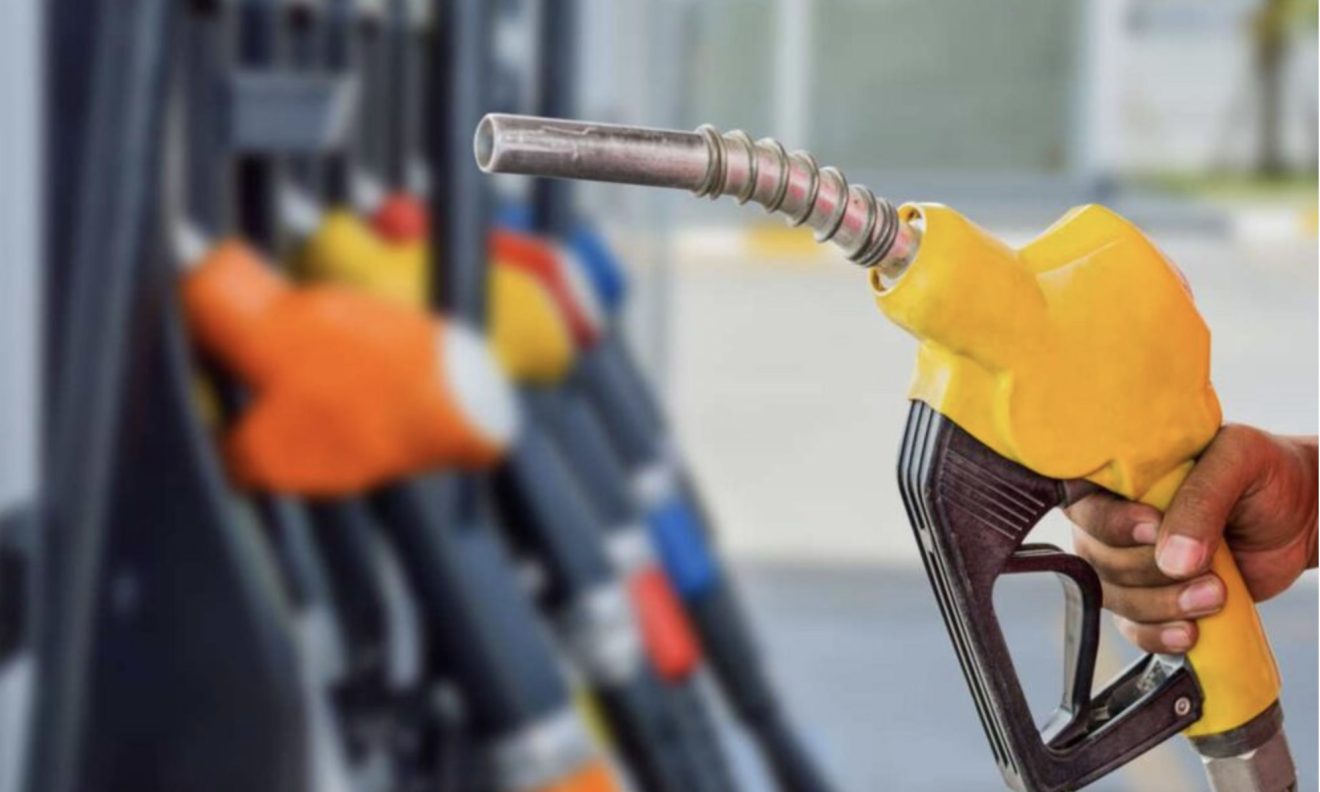
Several regions in the country are facing a fuel shortage, raising fears that traders may be hoarding the commodity.
The crisis, which is linked to disruptions in the global market and rising tensions in the Middle East due to the war involving the United States and Israel against Iran, has mainly affected independent oil companies. Many fuel stations—especially in rural areas—are reporting shortages.
This comes despite repeated assurances from government agencies and regulators that the country has sufficient fuel reserves and there is no shortage.
In the Mt. Kenya region, shortages have been reported in Murang’a, Meru, Nyeri, Kirinyaga, and Embu counties.
Diesel and petrol became scarce in Murang’a, where only a few stations such as Rubis and Shell had limited supplies.
On Tuesday and Wednesday, long queues were witnessed at fuel stations in towns such as Chuka, Embu, Meru, Nanyuki, and Isiolo, as motorists scrambled for the remaining fuel.
In Kirinyaga and Embu counties, the shortage triggered panic buying, with motorists and boda boda riders forming long lines at petrol stations.
The fuel shortage has crippled both public and private transport, with many vehicles left idle in parking lots or abandoned at fuel stations in Nyandarua and Laikipia counties.
Investigations in areas such as Kitale, Kiminini, Kachibora, and Endebess in Trans Nzoia County revealed widespread shortages, with some stations closed and others overwhelmed by customers.
In Kisumu, motorists are grappling with dwindling fuel supplies and warn that the remaining stock may not last more than a week.
In Nyamira town, a resident, Joshua Omasire, narrated his ordeal after searching for fuel for two days without success.
Eldoret, Uasin Gishu, and surrounding areas are also experiencing shortages, with some stations lacking petrol or diesel.
At the Coast, long-distance drivers expressed concern over the shortage, saying it threatens the transportation of goods across the country and the wider East African region.
However, fuel supplies have been restored in Bomet, Kericho, and Narok counties just a day after shortages were reported in many stations.
Newton Wang’oo, chairperson of the Transporters Association, said that in recent days, transporters across the country—especially along major routes—have experienced shortages due to suppliers refusing to deliver shipments and oil companies withdrawing credit facilities.
“The road transport sector is the backbone of Kenya’s economy and trade within the East African Community. The current situation threatens the movement of essential goods, the efficiency of supply chains, and Kenya’s position as a regional transport hub,” he said.
Elsewhere, fuel supplies were replenished in towns such as Narok and Kericho, including trading centers like Litein, Kapsoit, Kapkatet, Sotik, Mulot, Ololulunga, and Sogoo.
In Nairobi, most fuel stations had supplies.
Some stations in areas such as Westlands, Lang’ata, Mombasa Road, and the city center continued selling fuel, with relatively short queues.
Martin Chomba of the Petroleum Outlets Association told Taifa Leo that stations with sufficient supplies may have to cope with increased demand.
“If smaller upcountry fuel stations are facing shortages,” he said, “those with adequate supply will have to withstand pressure as more customers from affected areas flock to buy fuel.”













Leave a comment