

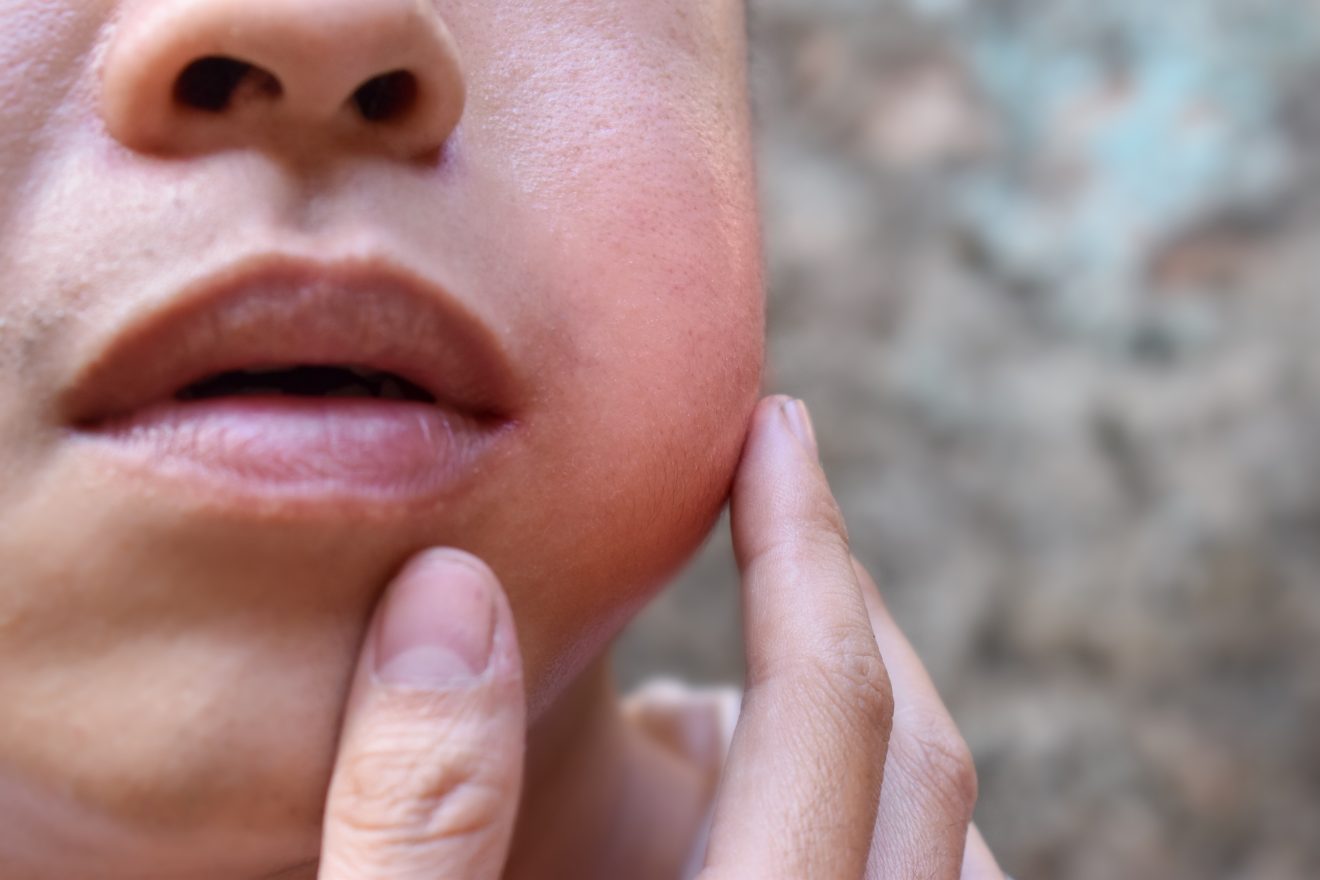
Parents in Nairobi have been urged to remain alert following reports of suspected cases of mumps, a highly contagious viral infection that spreads easily among children, particularly in school environments.
In recent days, several schools in the capital have issued advisories to parents, warning them to monitor their children for symptoms associated with the disease. The alerts have sparked concern among families, with schools encouraging parents to watch for signs such as fever, fatigue, loss of appetite, and swelling of the salivary glands located beneath and in front of the ears.
According to pediatric specialist Dr. Varsha Vekaria-Hirani, schools can become ideal environments for the spread of mumps due to crowded classrooms, close interaction among students, and the common habit of sharing food, drinks, and water bottles.
Mumps is a viral infection that primarily affects the parotid glands, the salivary glands located in the cheeks and near the ears. These glands produce saliva, which aids in chewing and digestion.
Dr. Vekaria-Hirani explained that the disease is caused by a virus that spreads easily, particularly in crowded settings, and outbreaks often occur seasonally.
The virus is transmitted through respiratory droplets released when an infected person coughs or sneezes. It can also spread through direct contact with saliva, making shared utensils, food, and drinking containers potential sources of infection.
Despite the reports from schools, there is currently no official national data indicating a widespread increase in mumps cases across Kenya. However, healthcare providers say they have recently seen a growing number of children presenting with symptoms consistent with the disease.
While Nairobi appears to be among the areas reporting suspected cases, Mombasa has also been identified as a region where infections have been observed.
Children under the age of 15, particularly those attending school, are considered to be among the most vulnerable groups.
Early Symptoms
Health experts say mumps often begins with symptoms that resemble the common flu or other viral illnesses. During the first three to four days, a child may develop fever, fatigue, muscle aches, weakness, and a reduced appetite.
As the infection progresses, swelling may develop in one or both salivary glands. This swelling is often painful and can worsen when the child chews food.
Sour foods and drinks may intensify the discomfort because they stimulate saliva production, placing additional pressure on the inflamed glands.
Parents are being advised to pay close attention to symptoms such as fever, unusual tiredness, poor appetite, and painful swelling around the jaw, neck, or ears.
However, doctors caution that not every swelling in the neck area is caused by mumps. Conditions such as tonsillitis and pharyngitis can produce similar symptoms, making proper medical evaluation important.
Why Mumps Spreads Quickly
One of the challenges in controlling mumps is that infected children can spread the virus before the most recognizable symptom—swollen salivary glands—appears.
Dr. Vekaria-Hirani noted that an infected person may be contagious one to two days before swelling develops and can continue spreading the virus for approximately five days after the swelling begins.
This means a child may attend school while experiencing only mild symptoms such as fatigue or a low-grade fever, unknowingly transmitting the virus to classmates.
The incubation period—the time between infection and the appearance of symptoms—typically ranges from two to three weeks.
What Parents Should Do
Parents whose children are suspected of having mumps are being advised to keep them at home and avoid contact with other children.
Medical experts recommend that affected children remain out of school for at least five days after the onset of swelling. Parents are also encouraged to notify schools promptly so that preventive measures can be implemented to reduce further spread.
Children showing symptoms should be evaluated by a healthcare professional to confirm the diagnosis and assess whether any complications have developed.
Treatment and Possible Complications
For uncomplicated cases, treatment mainly focuses on relieving symptoms such as fever and pain. Since mumps is caused by a virus, antibiotics are not effective and should not be used unless a bacterial infection is also present.
Although most children recover fully, mumps can occasionally lead to serious complications.
Among the most common complications is orchitis, a painful inflammation of the testicles that can occur in boys. Girls may also experience inflammation of the ovaries.
In rare cases, the virus can affect the brain and nervous system, leading to conditions such as meningitis or encephalitis. Other possible complications include hearing loss and inflammation of the pancreas, known as pancreatitis.
Parents are urged to seek immediate medical attention if a child develops severe abdominal pain, intense headaches, confusion, vomiting, or pain and swelling in the testicles.
Prevention Remains Key
Dr. Vekaria-Hirani noted that the mumps vaccine is currently not included in Kenya’s routine Kenya Expanded Programme on Immunization (KEPI) schedule. As a result, many children may not have specific protection against the disease.
Health experts are encouraging families to practice good hygiene, including frequent handwashing, avoiding the sharing of food and drinks, and regularly disinfecting commonly touched surfaces.
Children should also be taught to cover their mouths and noses when coughing or sneezing to help prevent the spread of infection.
The doctor further warned against common misconceptions surrounding mumps. Some parents mistakenly believe the disease requires antibiotic treatment, while others wrongly assume that every boy or girl who contracts mumps will become infertile.
As schools remain on alert, parents are being encouraged to stay vigilant, monitor their children for symptoms, and seek medical advice promptly to help prevent the disease from spreading within schools and the wider community.













Leave a comment