

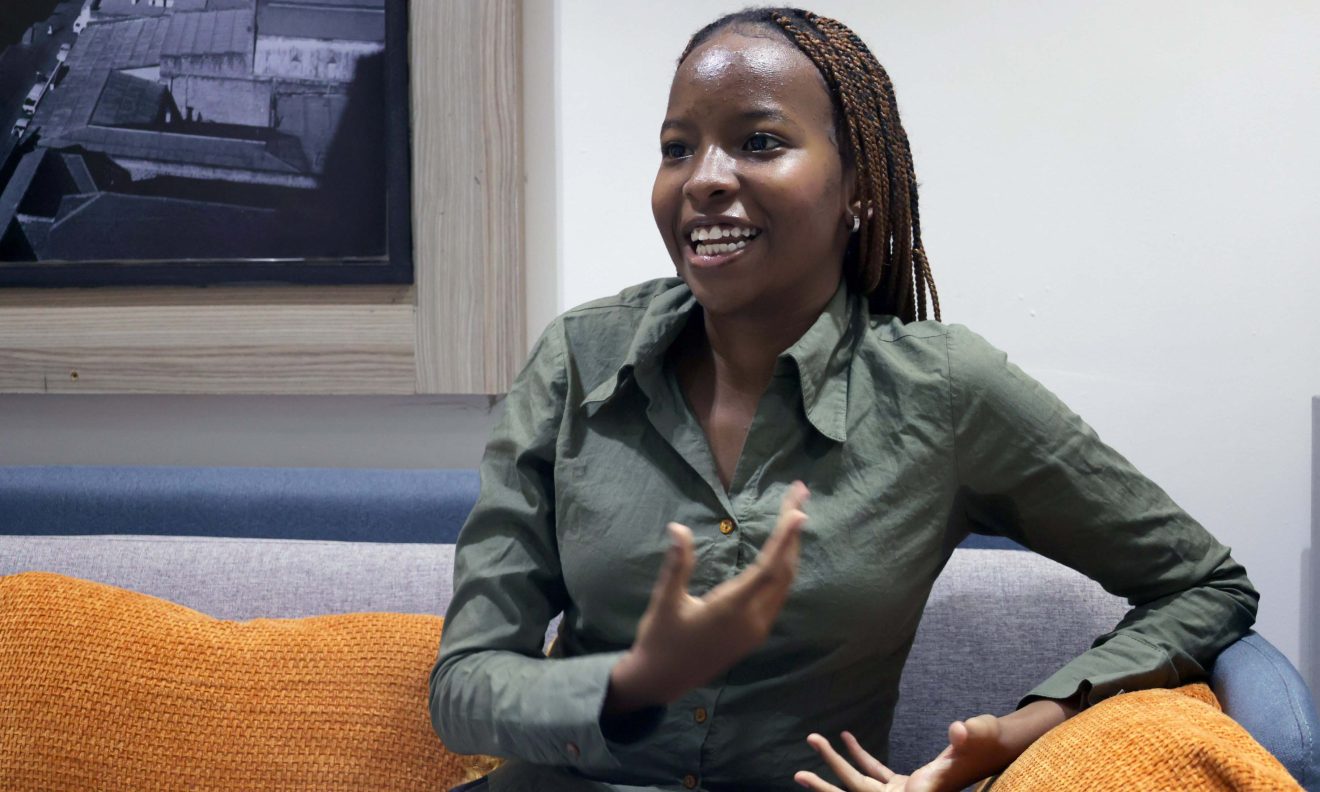
At just 17 years old, Michelle Wanjiru is already helping shape global conversations on youth online safety.
She is a member of the TikTok Youth Council, a group that brings together young people from different countries to advise TikTok’s leadership on issues affecting young users, including artificial intelligence (AI), cyberbullying, misinformation, and mental health.
Michelle says she joined the council in 2023 after a family friend shared an application opportunity with her.
“I never expected to be selected,” she says. “But I have since learned that online challenges cannot be separated from the real-life experiences of young people.”
She believes young people should be directly involved in decisions that affect them.
“No policy should be created for us without first asking us about the challenges we face. Sit down with us, listen to us, and understand us.”
According to Michelle, adults often develop policies intended to protect young people without consulting those most affected.
Through her initiative, Mind of a Queen, she organizes workshops during every school holiday for girls from Nairobi, Kiambu, and Mombasa to discuss social media use, friendships, and the challenges they encounter both online and offline.
During one workshop, a 15-year-old girl revealed that she had engaged in transactional sex with motorcycle taxi riders (bodaboda operators) to earn money to buy sanitary pads, a situation that resulted in pregnancy.
Another participant, aged 13, disclosed that she had been falsely told that having sex would relieve menstrual pain because she had never received proper reproductive health education.
“No child should ever have to go through such suffering,” Michelle says.
She believes poverty leaves girls particularly vulnerable to online exploitation.
“Technology does not eliminate social inequalities. In many cases, it amplifies them.”
Michelle says her advocacy journey began when she was just six years old, after writing letters to government leaders calling for better healthcare services for children.
That experience taught her that even a child’s voice can reach decision-makers.
When schools closed during the COVID-19 pandemic, she began using TikTok.
She says she never intended to become a content creator but simply enjoyed watching entertaining videos and keeping up with new trends.
“My parents didn’t monitor me every minute. Instead, they taught me to be responsible and assured me that I could always talk to them whenever I encountered a problem online,” she says.
She encourages parents to build trusting relationships with their children rather than relying solely on strict monitoring, noting that technology evolves much faster than parents can keep up with every emerging online threat.
As a member of the TikTok Youth Council, Michelle has participated in discussions on privacy protection, mental health, misinformation, and the responsible use of artificial intelligence.
“Every time you solve one problem, another one emerges,” she says.
She notes that AI has increased the risk of manipulated videos and images that can deceive or harm young people.
While she supports labeling AI-generated content, Michelle believes young people must also be taught critical thinking skills to evaluate the information they encounter online.
She says several recommendations made by the Youth Council have influenced new TikTok safety features, including reminders for users to take breaks after extended screen time, nighttime relaxation exercises, and parental control tools that help families manage children’s online activity.
Despite these achievements, Michelle says one of the biggest challenges she encounters during her workshops is girls’ fear of reporting or blocking online abusers.
“They ask themselves, ‘If I block him, will he expose me? Will he publish my photos?’ That fear prevents them from protecting themselves,” she explains.
Michelle also says adults often underestimate her because of her age.
“My biggest challenge has been people assuming I cannot understand these issues simply because I am a young girl,” she says.
After completing high school, Michelle plans to study law so she can strengthen her ability to influence policies that protect children and young people.
“I want to understand the laws that protect children and use that knowledge to create even greater change,” she says.














Leave a comment