

PAKISTAN — On Wednesday morning, Pakistan succeeded in persuading the United States and Iran to suspend the war for a period of two weeks to allow for negotiations.
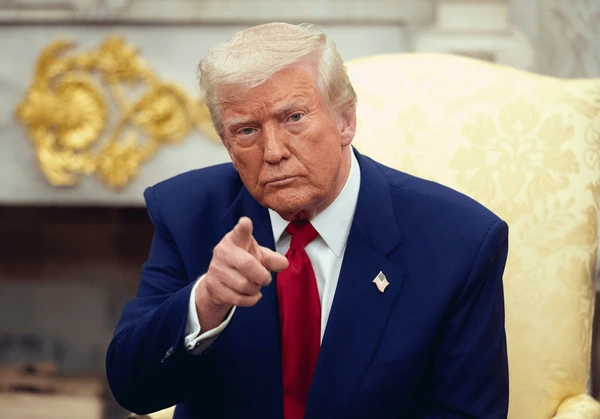
U.S. President Donald Trump announced that the two countries would not engage in fighting during that period.
He made the announcement just hours before carrying out his threats to attack Iran if it refused to reopen the Strait of Hormuz.
Trump said the basis of the agreement was Iran allowing ships to pass through the Strait of Hormuz, through which a significant portion of the world’s oil supply passes.
The Strait of Hormuz had been impassable since the United States and Israel attacked Iran on February 28.
Iran’s Supreme National Security and Religious Council described the agreement as a victory against the United States and Israel. The council said the U.S. had accepted its conditions before halting the war.
Pakistan’s Prime Minister Shehbaz Sharif posted on his X (formerly Twitter) account that he had invited delegations from Iran and the United States to a meeting on Friday in Islamabad.
Stephane Dujarric, spokesperson for United Nations Secretary-General Antonio Guterres, urged all parties to use the two weeks to reach an understanding and completely end the war in the Middle East.
“All sides must respect the ceasefire agreement because peace is necessary to protect human life and prevent further suffering,” Guterres said.
UK Prime Minister Keir Starmer said the world would at least have a chance to breathe for two weeks after intense fighting in the Middle East since February 28.
“We must all work together to ensure lasting peace, because the continuation of this war is a great loss to the world. With peace, even the Strait of Hormuz will be reopened,” Starmer said.
“This should be the first step toward achieving lasting peace and avoiding further consequences of the war,” said German Foreign Minister Johann Wadephul.
EU foreign policy chief Kaja Kallas said they do not expect missile attacks or threats during that period.
“The Strait of Hormuz will reopen, ships will transport oil as before, and lasting peace will ensure global stability,” Kallas said.
Israeli Prime Minister Benjamin Netanyahu supported the ceasefire but said Israel would continue attacking Lebanon.
Netanyahu said they support the United States and want Iran to reopen the Strait of Hormuz, stop launching missiles at Israel and U.S. military bases across the Middle East.
Israel has been attacking Lebanon, where more than 1,500 people have been killed and another 1.2 million injured.
Lebanon became involved in the conflict after Hezbollah fired rockets at Israel in support of Iran, two days after the war began.










Leave a comment